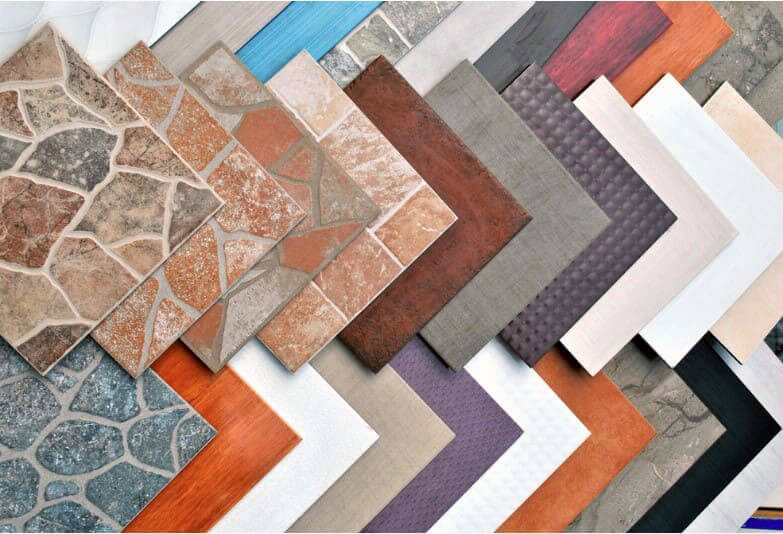
Choosing tile for a Denver home looks easy until it suddenly is not. Rows of samples. Dozens of finishes. Every salesperson saying this one is the best. What starts as excitement can quickly turn into decision fatigue, and rushed decisions are how regret enters the picture.
Tile is permanent in a way many finishes are not. Paint can be repainted. Cabinets can be swapped. Tile stays. Once it is installed, it defines the space for years, often decades. That permanence is why choosing the right tile matters just as much as installing it correctly.
Denver presents unique challenges that influence tile selection. Dry air affects materials differently than humid climates. Temperature swings create expansion and contraction. Homes experience seasonal movement. A tile that performs well in another region may not behave the same way here.
Material choice is the first major decision. Porcelain tile is often the most reliable option for Denver homes. It is dense, strong, and highly resistant to moisture. It handles temperature changes better than many alternatives and works well in high traffic areas like kitchens, hallways, and entryways.
Ceramic tile is lighter and more affordable but slightly less durable. It works best in lower traffic spaces or on walls where impact is minimal. When installed correctly, ceramic tile still performs well, but it requires thoughtful placement.
Natural stone tile brings depth and character. Marble, slate, and travertine create a high end look that many homeowners love. However, stone requires sealing and regular maintenance. Denver homeowners who choose stone should be comfortable with that responsibility and understand that natural materials show wear differently over time.
Tile size has a bigger impact on a space than most people expect. Large format tile reduces grout lines, which creates a cleaner and more open feel. This works especially well in modern Denver homes and smaller rooms where visual continuity matters.
Smaller tiles offer flexibility. They work well in showers, bathrooms, and areas where slopes or curves are present. Mosaic tiles provide grip and visual interest but introduce more grout lines, which means more maintenance.
Finish matters just as much as size. Polished tile reflects light and adds brightness, but it can become slippery when wet. Matte finishes provide better traction and hide wear more effectively. In Denver entryways where snow and moisture are common, traction should be a priority.
Color selection deserves careful thought. Denver homes receive strong natural light. Bright sunlight can wash out certain tones or exaggerate contrast. Neutral colors tend to age better and adapt easily to changing decor. Earth tones often complement the natural surroundings and architectural styles common in the area.
Bold tile choices can work, but they should be intentional. Accent walls and backsplashes are safer places for dramatic patterns or colors. Large floor areas benefit from restraint. Trends change faster than tile wears out.
Grout color plays a quiet but powerful role. Light grout creates a seamless look but shows dirt more easily. Dark grout hides stains but becomes a design element of its own. Matching grout to tile minimizes contrast. Contrasting grout highlights patterns and layouts.
Texture is another factor that often gets overlooked. Textured tile adds grip and hides dust and debris. Smooth tile feels sleek but shows footprints and smudges more readily. Denver dust has a way of making itself known, so texture can be an advantage.
Rooms should guide tile selection. Bathrooms demand moisture resistance and slip resistance. Kitchens need durability and easy cleaning. Entryways require toughness and traction. Living spaces benefit from comfort and visual warmth.
Heated flooring systems are increasingly popular in Denver. Tile pairs exceptionally well with radiant heat because it transfers warmth efficiently and retains it longer. If radiant heating is planned, tile thickness and material should be chosen with that system in mind.
Outdoor tile is a category of its own. Not all tile is suitable for exterior use, regardless of appearance. Freeze resistant materials are essential. Proper drainage and slope prevent water from pooling and freezing. Denver winters make this non negotiable.
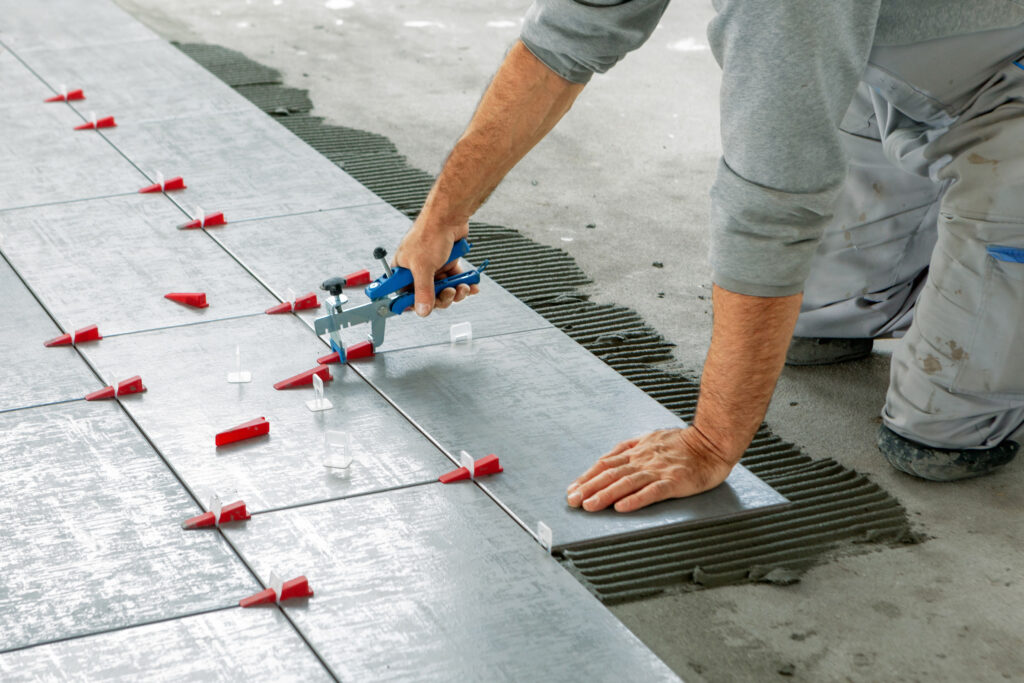
Another common mistake is choosing tile without considering installation complexity. Certain patterns and layouts require more cuts and more labor. Intricate designs increase installation time and cost. That does not mean they should be avoided, but expectations should match reality.
Samples are essential. Viewing tile in a showroom is not the same as seeing it in your home. Lighting changes color perception. Texture feels different underfoot. Bringing samples home prevents surprises after installation.
Tile should also complement the home as a whole. A hyper modern tile in a traditional Denver bungalow can feel out of place. A rustic tile in a sleek townhome may clash. Harmony matters more than following trends.
Durability ratings help guide decisions. Tile rated for floor use performs differently than tile designed for walls. Using wall tile on floors often leads to premature damage. Specifications exist for a reason.
Maintenance expectations should be realistic. Some tiles require sealing. Some show wear faster. Understanding upkeep prevents frustration later. A tile that fits your lifestyle is always better than one that only looks good in photos.
Ultimately, choosing the right tile in Denver is about balance. Durability balanced with design. Maintenance balanced with aesthetics. Trend balanced with longevity.
When tile is chosen thoughtfully and installed professionally, it becomes a foundation rather than a feature. It supports daily life quietly and confidently.
Regret usually comes from rushing or ignoring context. Denver climate, home style, usage patterns, and long term goals all matter. When those factors guide the decision, tile becomes one of the smartest upgrades a homeowner can make.