Tile installation in Denver is more than a cosmetic decision. It is a long term investment that affects how a home feels, functions, and holds value over time. In a city where weather changes quickly and homes experience constant temperature shifts, materials need to be chosen with intention. Tile delivers durability, stability, and visual impact in a way few other finishes can match.
Denver homes face unique conditions. Dry air pulls moisture from materials. Cold winters and warm summers cause expansion and contraction. Soil movement is common. These factors quietly test every surface in a house. Tile performs well under pressure when installed correctly. It does not warp like wood. It does not swell like laminate. It stays grounded and consistent through seasonal changes.
The key phrase there is installed correctly. Tile is unforgiving. It rewards precision and punishes shortcuts. A rushed installation might look fine at first, but small mistakes grow over time. Cracked grout. Loose tiles. Uneven edges. These problems usually trace back to poor preparation or rushed workmanship.
A proper tile installation begins beneath the surface. Subfloors must be stable, level, and reinforced where needed. In Denver, homes often shift slightly due to soil conditions. Ignoring that reality leads to tile failure. Professional installers evaluate the structure before laying a single tile. They correct dips, secure loose sections, and ensure the surface can support the weight and rigidity of tile.
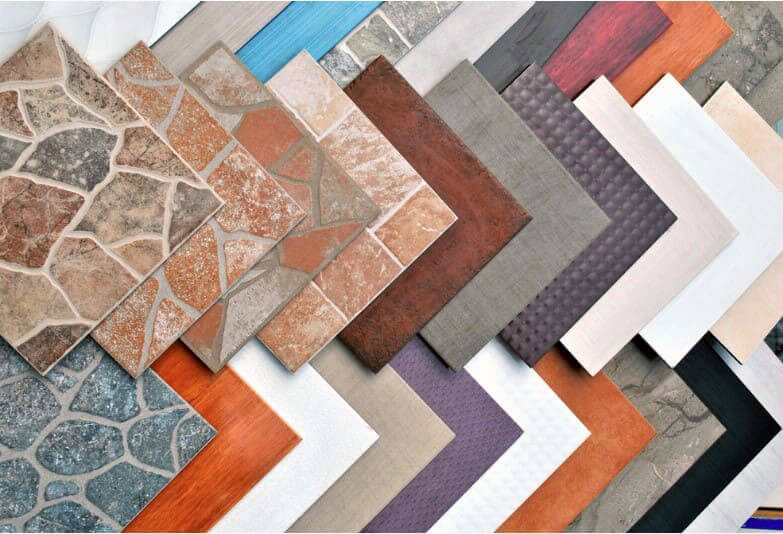
Material selection also matters. Porcelain tile is a popular choice in Denver because of its strength and resistance to moisture. Ceramic tile works well in lower traffic areas. Natural stone offers visual depth but requires more care and sealing. Choosing the right material depends on where the tile will live and how the space is used.
Bathrooms are one of the most common areas for tile installation. Moisture resistance is critical. Tile itself repels water, but the real protection happens underneath. Waterproof membranes and proper sealing prevent moisture from reaching framing and subfloors. In Denver, where indoor humidity fluctuates, this step protects against mold and structural damage.
Kitchens benefit from tile for similar reasons. Spills happen. Heat builds up. Foot traffic stays constant. Tile handles all of it without complaint. A properly installed tile floor or backsplash becomes a functional design element that supports daily life without constant maintenance.
Entryways are another smart place for tile. Snow, salt, dirt, and grit get tracked inside during winter months. Tile cleans easily and resists wear better than many other flooring options. It creates a durable first impression that holds up through years of use.
Design flexibility is another reason tile pays off. Denver homes come in many styles. Modern townhomes. Mid century ranch houses. Mountain inspired builds. Tile adapts to all of them. Large format tiles make small spaces feel open. Textured tiles add warmth without sacrificing durability. Neutral tones age gracefully and work with evolving decor.
Grout selection plays a major role in both appearance and maintenance. Lighter grout creates a seamless look but requires more cleaning. Darker grout hides stains but becomes a stronger visual element. When chosen intentionally, grout enhances the tile rather than distracting from it.
One overlooked benefit of tile installation is indoor air quality. Tile does not trap dust, allergens, or odors. In a dry climate where dust travels easily, this matters. Homes with tile surfaces are easier to keep clean and comfortable year round.
Tile also works exceptionally well with radiant floor heating systems. Heat transfers efficiently through tile, creating consistent warmth underfoot. In Denver winters, this transforms bathrooms and kitchens into spaces that feel welcoming instead of cold.
From a financial perspective, tile installation adds measurable value to a home. Buyers notice it. Inspectors appreciate it. Appraisers factor it in. A well executed tile installation signals quality and care. It suggests the home has been maintained thoughtfully rather than patched together quickly.
The lifespan of tile further strengthens its value. While other flooring materials may need replacement every decade, tile can last several decades when installed properly. That longevity reduces long term costs and eliminates frequent renovation cycles.
Professional installation also ensures clean transitions between surfaces. Tile meeting wood. Tile meeting carpet. Tile meeting concrete. These details affect both comfort and aesthetics. Poor transitions feel awkward underfoot and look unfinished. Clean transitions make spaces flow naturally.
Another advantage of professional tile installation is layout planning. Tile lines should feel balanced and intentional. Cuts should land in logical places. Focal points should be centered. This planning prevents awkward slivers of tile along walls or uneven borders that draw the eye for the wrong reasons.
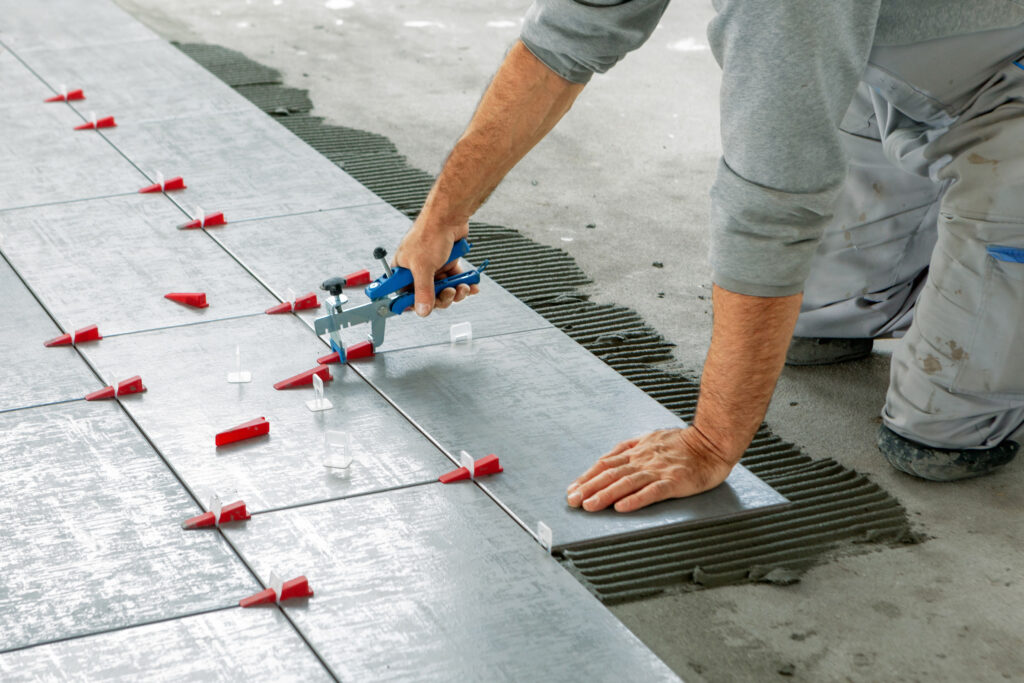
Tile installation is not fast work. Thinset needs proper mixing. Tiles need even pressure. Levels must be checked constantly. Grout requires correct timing. Curing time cannot be rushed. Skipping steps weakens the installation and shortens its lifespan.
In Denver, climate awareness separates average work from excellent work. Expansion gaps allow materials to move without cracking. Correct adhesives handle temperature shifts. Experience guides decisions that are invisible but critical.
When tile installation is done right, it fades into the background. Floors feel solid. Walls feel intentional. Surfaces feel permanent. There is no noise underfoot. No uneven edges catching light. No sense that something was rushed.
That quiet confidence is the real payoff. Tile becomes part of the home rather than something sitting on top of it. It supports daily life without demanding attention.
Choosing tile installation in Denver is choosing durability, stability, and long term value. It is a smart upgrade not because it is trendy, but because it works. It stands up to climate. It stands up to time. And when installed with care, it pays off every single day.